Oops! Something went wrong while submitting the form.

Send the face specification or physical sample first. Mozkuib then locks the layup, core, thickness and finished surface before the first paddle is pressed.
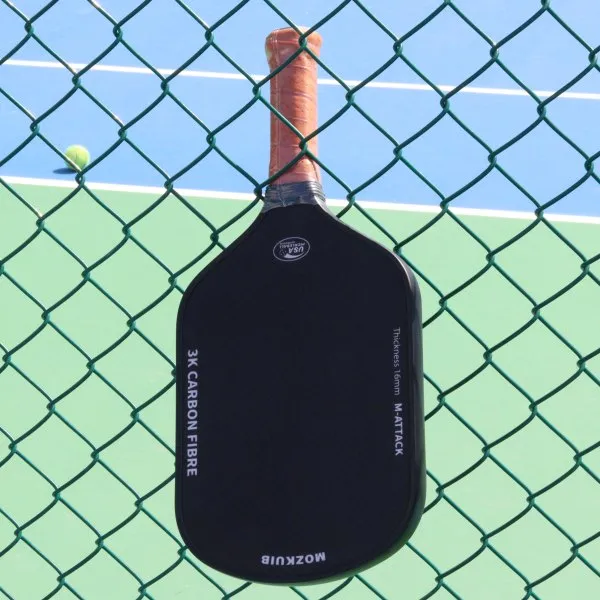
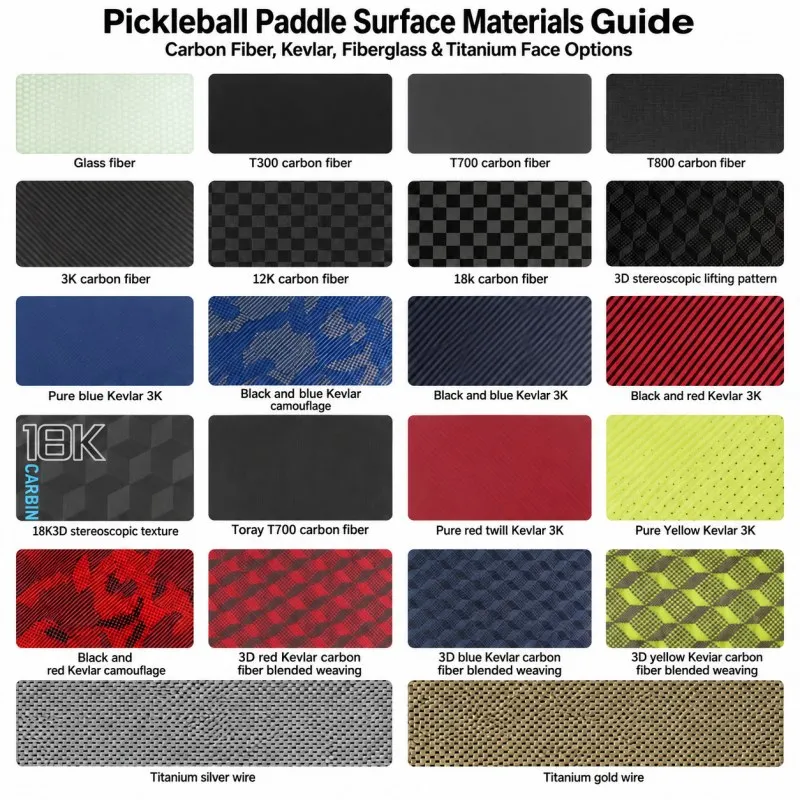
A material name is not a complete paddle specification. T700 or T300 identifies the carbon option; 3K, 12K or 18K describes the visible weave; the supporting layers and finished surface are separate decisions.
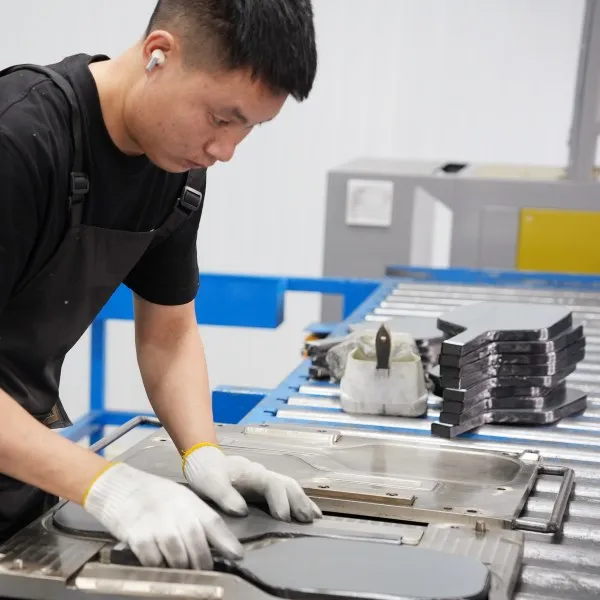
The visible face is only the outside layer. Mozkuib cuts and aligns the agreed materials and presses them with the chosen core. The layer order is confirmed on the sample brief before production.
A common starting build uses three carbon layers. We confirm the visible face and fiber direction before pressing.
One confirmed route uses T700 on the outside, two T300 supporting layers and a fiberglass layer underneath. Final layer order follows the agreed sample brief.
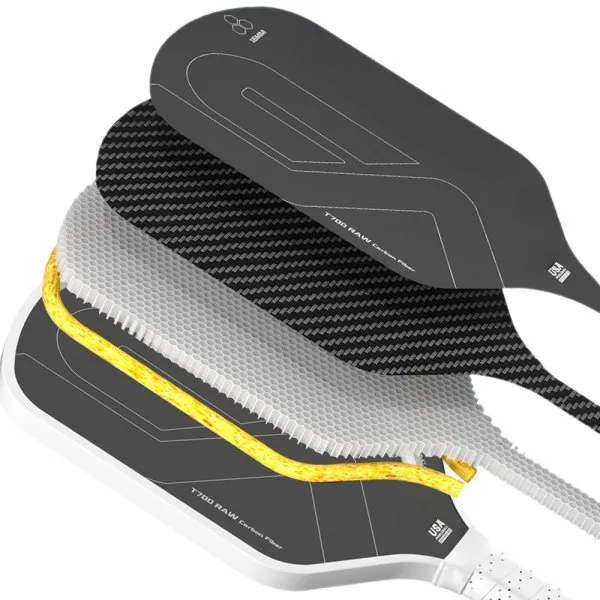
The dry face reference can show the base weave. Coating, texture and particle finish need to be checked on the sample paddle.
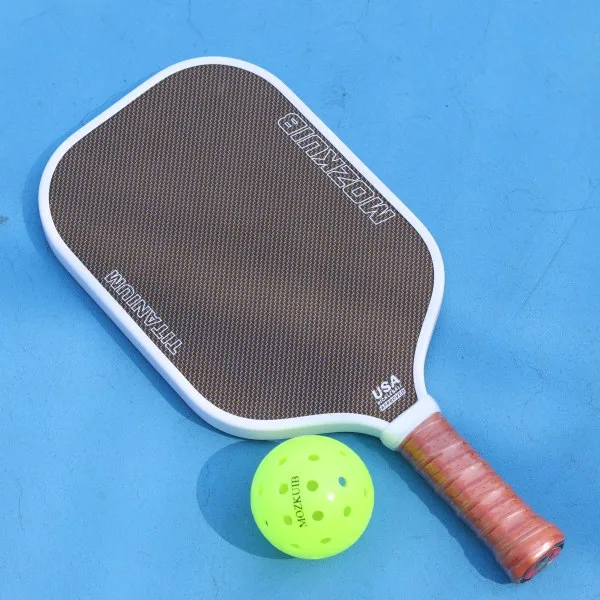
Check color, gloss, weave visibility and natural texture.
Compare the applied texture and hand feel on the sample paddle.
Mozkuib can use silicon carbide, abrasive mineral grit or glass beads when the brief calls for a more durable texture.
Start from a complete T700 build, a woven-carbon reference or an aramid face reference.
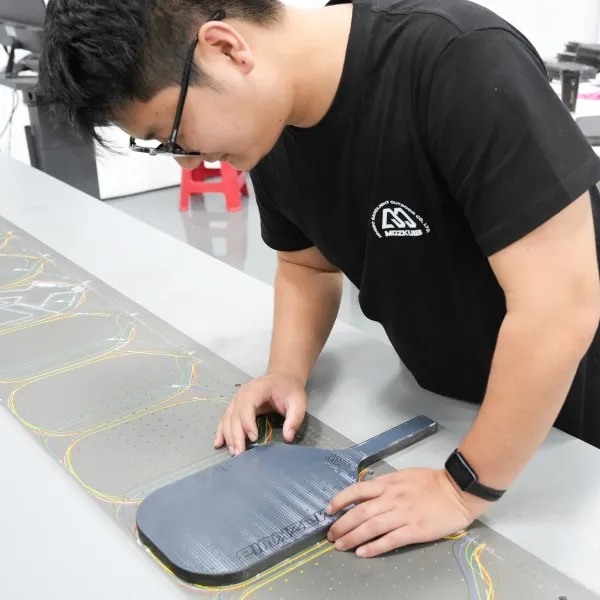
The material specification, physical face reference and finished sample paddle cover different parts of the build. Use them together when checking production against the agreed brief.
A spec sheet, sample photo or share link is enough to start. Include the quantity and target market. Mozkuib will reply with the first sample route, the production minimum and any missing construction details needed before quotation.


